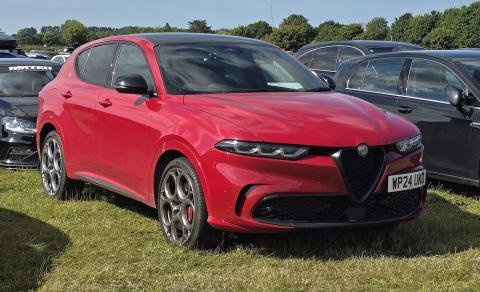
Alfa Romeo Tonale 2024
£33,000









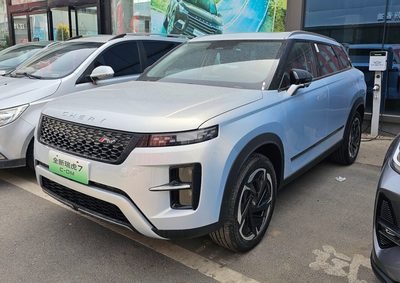
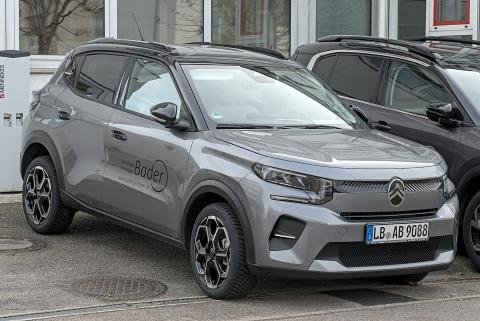
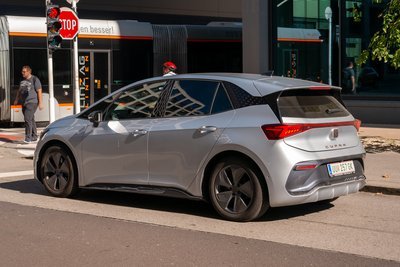
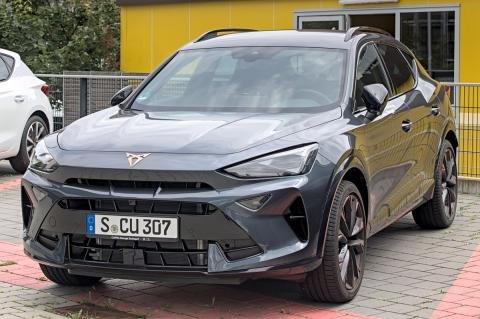

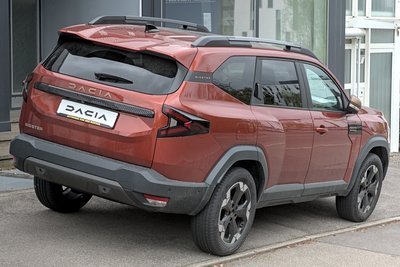
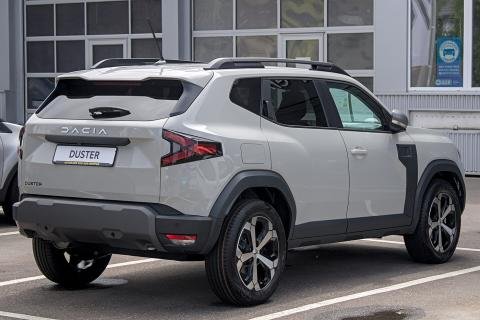
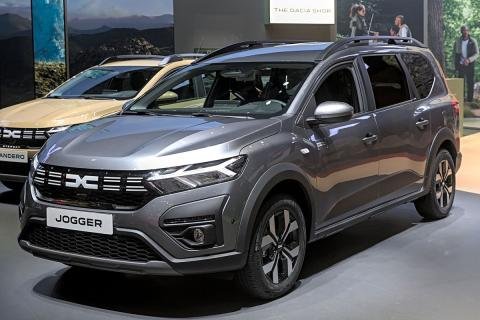

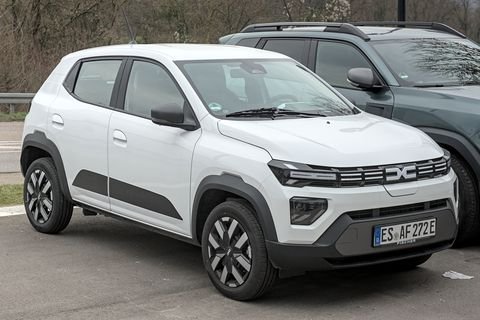
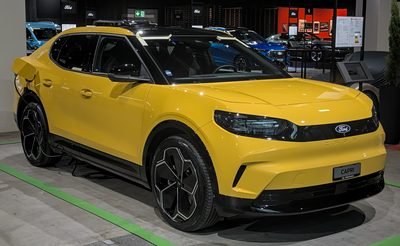
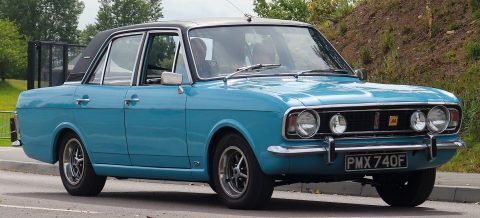

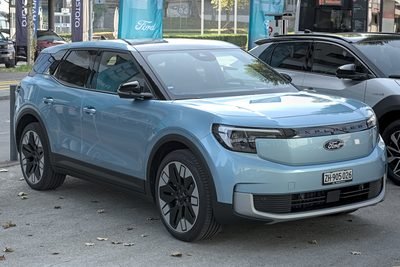
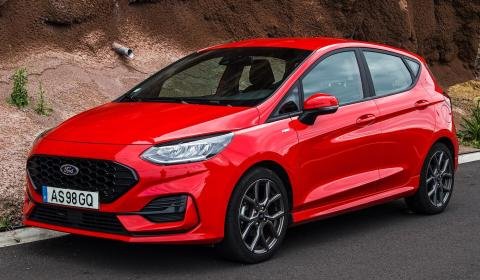
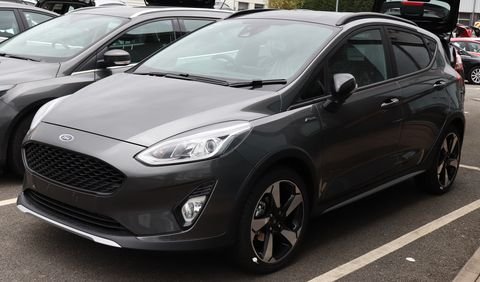
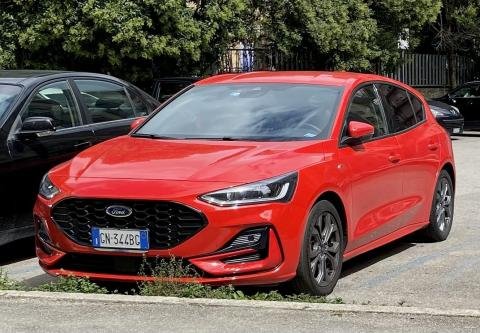
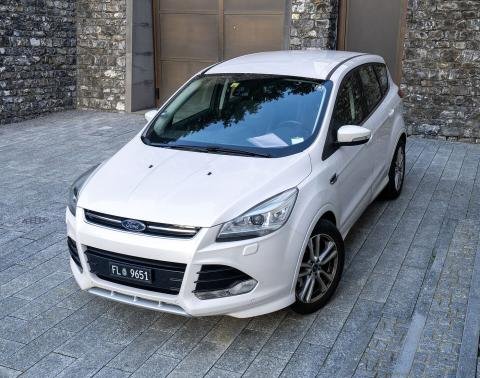
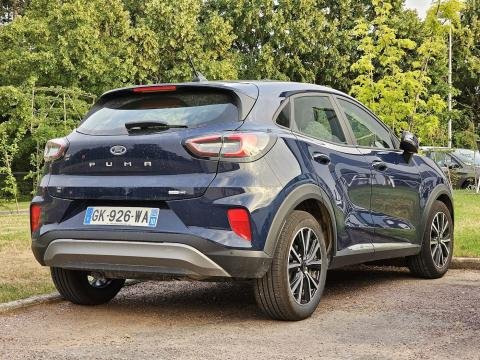


Twenty-odd models, dozens of trims, and a market that adds new variants every quarter: finding the right car by browsing is like finding a book by wandering the library. CarPedia’s advanced car search replaces wandering with precision. Set the filters that matter — brand, fuel type, body style and maximum budget — and the database returns only the cars that fit, ranked and ready to explore. No sponsored placements pushing you toward someone else’s agenda, no endless scrolling past cars you would never buy.
For UK buyers this kind of filtering is quietly powerful because the market clusters so tightly. There are eleven hatchbacks in our database averaging £25,114, and eight SUVs averaging £30,460 — within each cluster, prices overlap and the real differences hide in economy, power and five-year costs. Filters let you carve out exactly your corner of the market — say, hybrid SUVs under £30,000 — and then use the comparison tool and True Cost Calculator on a shortlist that actually reflects your life. Search is where good decisions start — every serious buyer should begin here before falling in love with a particular badge.
The search panel offers four filters you can combine freely. Brand narrows to the manufacturers you trust (or leaves the field open for a surprise). Fuel type covers petrol, diesel, hybrid and electric — particularly useful as the UK’s 2030 and 2035 phase-out dates push more buyers toward hybrid and electric. Body style selects hatchback, SUV, saloon and more. Budget sets a hard maximum price that no result will exceed. Apply any combination and the results appear instantly, each card showing price, key specs and five-year cost at a glance. From there you can dive into a full car page, fire the shortlist into the comparison tool, or refine the filters further until the list feels right. The whole process takes less time than reading a single long-form review.
Suppose you need an SUV and £30,000 is your absolute ceiling. Set body style to SUV, budget to £30,000, and leave brand and fuel open — the search returns four contenders, cheapest first. The Nissan Juke Hybrid 2024 at £21,495 leads with 57.6 mpg and a five-year net cost of £24,112. Next comes the Renault Captur Hybrid at £21,995, the economy champion at 60.1 mpg. Third is the Ford Puma at £25,980, trading a little efficiency for a livelier drive. Finally the Nissan Qashqai Hybrid at £27,000, the biggest and most powerful of the four at 190 PS. Four genuine options, zero irrelevant results — and note how the cheapest purchase price also brings the lowest five-year cost. That pattern is worth remembering.